Dry Eye Assessment & Treatment
- Home
- Dry Eye
Our Services
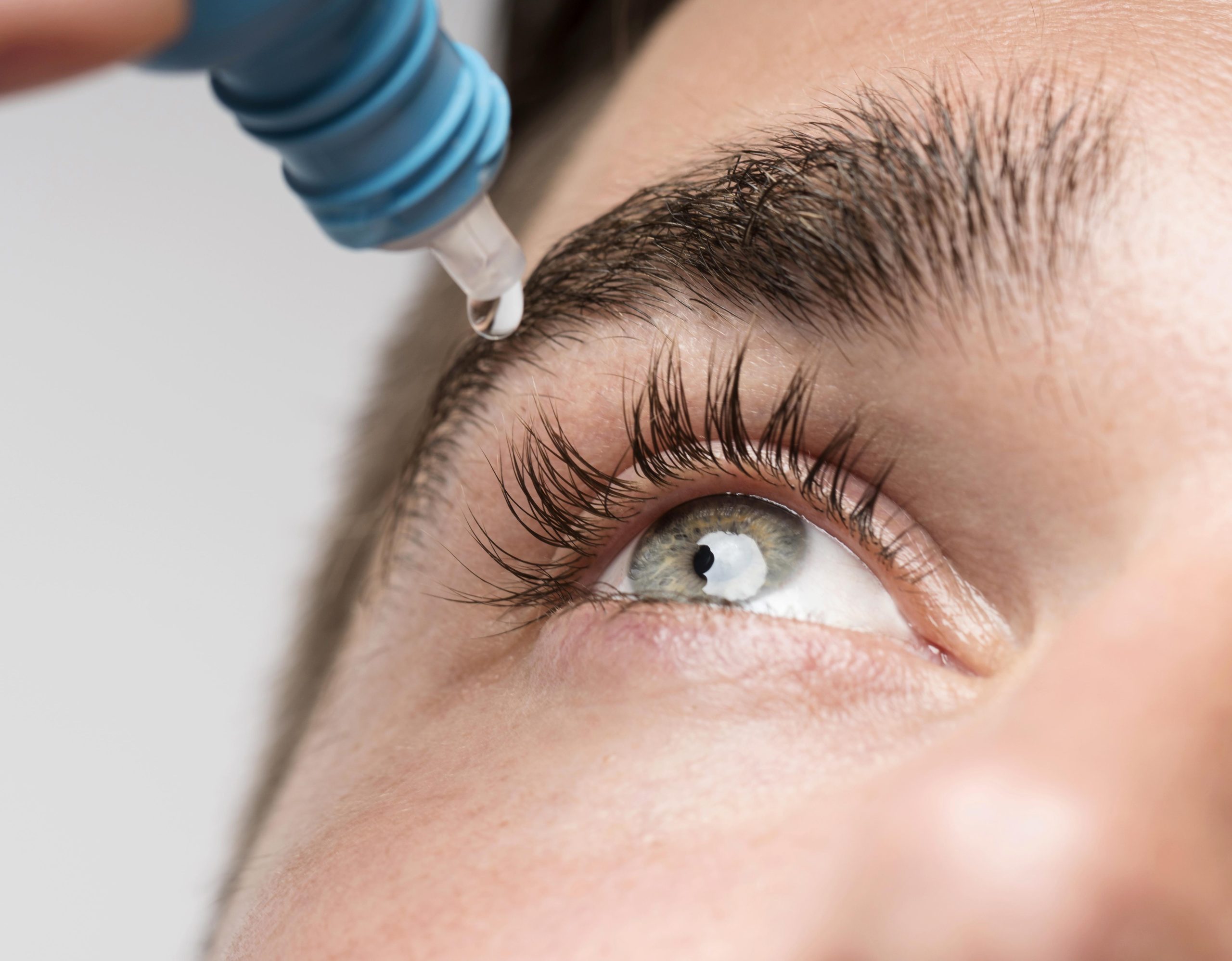
Do your eyes feel dry, irritated or uncomfortable?
If your eyes are sore, gritty, watery, red or uncomfortable, you may be experiencing dry eye. Symptoms can range from occasional irritation to persistent discomfort that affects your day-to-day life.
Dry eye can have several causes, so identifying what is contributing to your symptoms is an important part of choosing the right treatment.
Common symptoms of dry eye include:
-
Dry, gritty or scratchy eyes
-
Burning, stinging or itching
-
Red or irritated eyes
-
A feeling that something is in your eye
-
Excessive watering
-
Sensitivity to light
-
Fluctuating or intermittent blurred vision
-
Eye fatigue or discomfort when reading or using digital screens
-
Symptoms that become worse throughout the day
-
Discomfort when wearing contact lenses
If dry, irritated or watery eyes are affecting your everyday comfort, it is worth finding out why.
What causes dry eye?
Dry eye can develop when you do not produce enough tears, when your tears evaporate too quickly, or from a combination of both. A range of factors can contribute, including eyelid and meibomian gland problems, medications, contact lens wear, screen use, environmental conditions and some health conditions.
Common factors include:
-
Meibomian gland dysfunction
-
Reduced tear production
-
Eyelid inflammation or blepharitis
-
Demodex
-
Contact lens wear
-
Certain medications
-
Hormonal changes
-
Previous eye surgery
-
Wind, heating, air conditioning and other environmental factors
-
Prolonged screen use and reduced blinking
Because dry eye has many possible causes, understanding what is happening at the surface of your eyes helps us recommend the most suitable treatment.
Understanding your tear film
Your tear film is a complex mixture that protects, lubricates and nourishes the surface of your eyes. It contains an outer lipid layer and a deeper mucoaqueous layer, with different components working together to keep the tear film stable.
The tear film contains several components that work together:
-
The Mucin Component Mucin helps the tear film spread evenly across the surface of the eye and remain attached to the ocular surface.
-
The Aqueous Component The aqueous component is the watery part of your tears. It is produced primarily by the lacrimal glands and contains water, electrolytes, proteins and other substances that help maintain a healthy ocular surface.
-
The Lipid Component The outer oily layer is produced by the meibomian glands in your eyelids. It helps slow the evaporation of tears and maintain a stable tear film between blinks. When one or more of these components is not functioning properly, the tear film can become unstable and the surface of the eye may become dry and irritated.
Not all dry eye is the same
Dry eye can develop for different reasons, which is why identifying the underlying cause is important when choosing treatment.
-
Meibomian Gland Dysfunction The meibomian glands are tiny oil-producing glands located within the eyelids. They release oils that form the outer layer of the tear film. If these glands become blocked or their oils become altered, tears can evaporate too quickly. This is known as evaporative dry eye and is a common form of dry eye disease.
-
Aqueous-Deficient Dry Eye Some people do not produce enough of the watery component of their tears. This is known as aqueous-deficient dry eye.
-
Mixed Dry Eye Many people have a combination of reduced tear production and excessive tear evaporation. When one or more of these components is not functioning properly, the tear film can become unstable and the surface of the eye may become dry and irritated.
Because the underlying causes can differ, the most effective treatment also differs from person to person.
What happens during a Dry Eye Assessment?
A dry eye assessment looks at your symptoms, tear film, eyelids and the surface of your eyes to help identify what may be causing your dry eye. Depending on your symptoms and findings, we may assess:
-
Tear production
-
Tear film stability
-
The eyelid margins
-
Meibomian gland function
-
The quality of the oils produced by the glands
-
Signs of inflammation or blepharitis
-
The ocular surface
-
Factors such as contact lens wear, medications and environmental triggers
We use these findings to determine the type and severity of your dry eye and recommend a management plan suited to your needs.
Dry Eye Treatments at Wanganui Eyecare
Dry eye treatment depends on what is causing your symptoms. We offer a range of options aimed at improving tear-film stability, eyelid and meibomian gland function, and overall eye comfort.
Treatments for the eyelids and meibomian glands
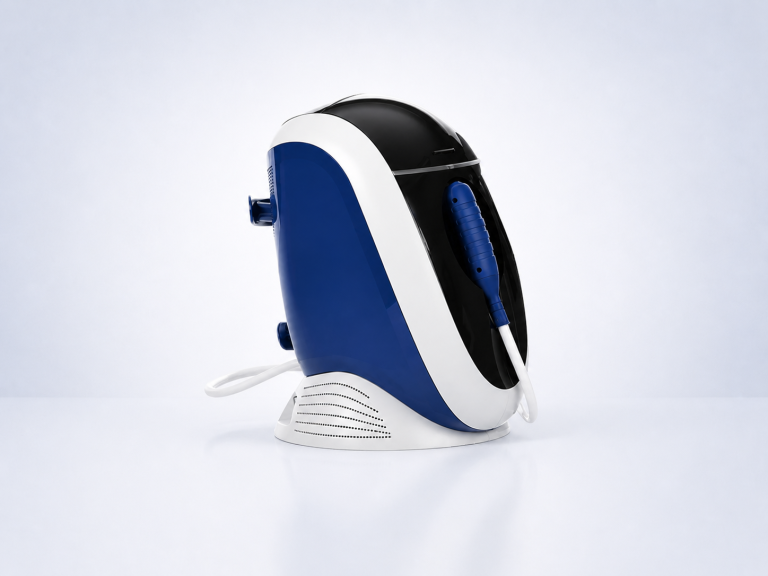
IPL (Intense Pulsed Light)
IPL is a non-invasive treatment that may be beneficial for people with dry eye associated with meibomian gland dysfunction.
Controlled pulses of light are applied to the skin around the eyes. IPL may help improve meibomian gland function and the quality of the oils they produce, helping to support a more stable tear film and reduce excessive tear evaporation.
IPL is generally quick and well tolerated. Most people experience little or no discomfort, although you may notice a brief sensation of warmth during treatment. Your eyes are protected with opaque goggles during the procedure, and the light is applied to the skin around the eyes rather than directly into the eye.
Most feel no pain. Some have a very short sensation of heat. The IPL treatment is directed at your Meibomian glands which are situated under your eyelids. It is not directed into the eye itself. As a precaution, every patient wears opaque eye protection goggles during a treatment.
The IPL typical treatment itself takes approximately 5-10 minutes. We often examine your eyes before and after treatment, and check production by expressing your glands.
Typically, three treatments are required over a period of 30 days. The results offer cumulative benefits but you may notice an improvement after your first treatment.
Some people notice an improvement after their first treatment, while the benefits of a course of treatment can build over time.
IPL is particularly suited to dry eye associated with meibomian gland dysfunction, but it is not appropriate for every type of dry eye.
Certain medications, skin conditions and general health conditions may also mean IPL is not suitable.
This is why we recommend a comprehensive Dry Eye Assessment before beginning treatment.
Those with aqueous deficient dry-eye disease are unlikely to benefit from IPL. This is why we recommend all of our patients have a complete Dry-Eye Assessment. We can investigate the source of your discomfort and recommend the best treatment for you.
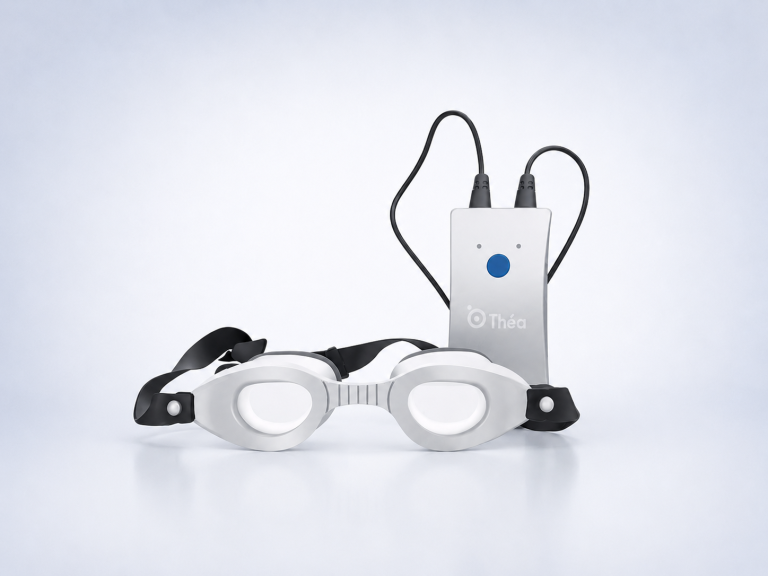
Blephasteam
Blephasteam is a comfortable treatment designed to help people with dry eye associated with blocked or poorly functioning meibomian glands.
It uses controlled moist heat around the eyelids to help soften and loosen the oils within the meibomian glands. This can make it easier for the glands to release their natural oils into the tear film.
Improving meibomian gland function can help stabilise the tear film and reduce symptoms such as dryness, irritation, burning, watery eyes and contact lens discomfort.
Blephasteam is a comfortable treatment designed to help people with dry eye associated with blocked or poorly functioning meibomian glands.
It uses controlled moist heat around the eyelids to help soften and loosen the oils within the meibomian glands. This can make it easier for the glands to release their natural oils into the tear film.
Improving meibomian gland function can help stabilise the tear film and reduce symptoms such as dryness, irritation, burning, watery eyes and contact lens discomfort.
Blephasteam
Meibomian Gland Expression
When meibomian glands become blocked, the oils needed to slow tear evaporation may not flow properly. Gentle gland expression can help clear blocked glands and improve the quality of the oils released onto the eye.
Lid Debridement & Lid Hygiene
Healthy eyelids are an important part of a stable tear film. Lid debridement and targeted lid hygiene can help remove debris and build-up around the eyelid margins, particularly when blepharitis or meibomian gland dysfunction is present. We can also recommend an ongoing home-care routine to help maintain eyelid health between appointments.
Treatments to support the tear film

Lubricating Eye Drops
Artificial tears can help supplement the tear film and provide relief from dryness, irritation and discomfort.
There are many different types of lubricating drops, and they are not all the same. Some are designed for occasional mild symptoms, while others are better suited to more persistent dry eye.
Your optometrist can recommend a drop that is appropriate for your eyes and how frequently you experience symptoms.
Nutritional Support
Nutrition may play a role in maintaining a healthy ocular surface and supporting a healthy tear film.
Some people with dry eye may benefit from increasing their intake of foods containing omega-3 fatty acids, while nutritional supplementation may be considered where appropriate.
Lacritec is a nutritional supplement formulated to support ocular surface and tear film health. It contains a combination of nutrients, including omega fatty acids and antioxidants, designed to support the normal function of the tear glands and maintain a healthy tear film.
Treatments for specific types of dry eye
Punctal plugs can be useful for people with aqueous-deficient dry eye, where the eyes do not produce enough tears.
The puncta are tiny openings in the eyelids through which tears normally drain away from the surface of the eye. A small plug can be placed into the punctum to slow tear drainage, helping your natural tears remain on the surface of the eye for longer.
Punctal plugs may be temporary or longer-lasting, depending on the type used and your individual needs.
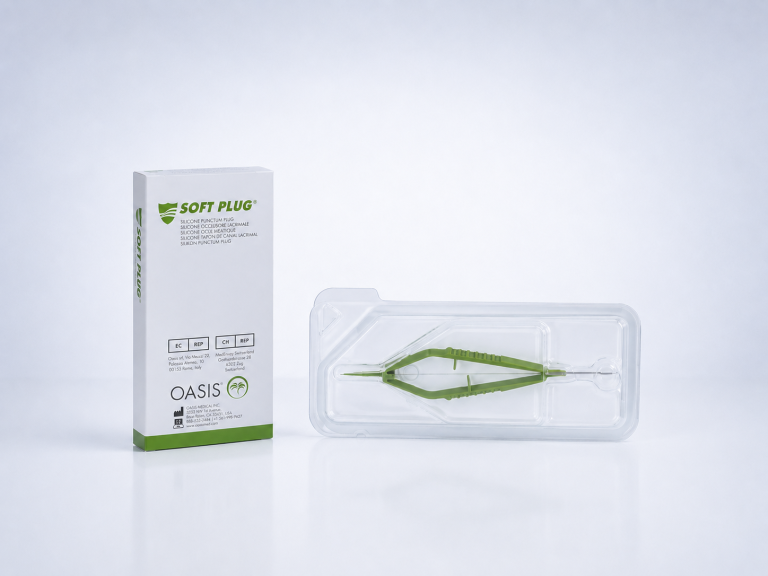
Punctal Plugs
Punctal Plugs
Punctal plugs can be useful for people with aqueous-deficient dry eye, where the eyes do not produce enough tears.
The puncta are tiny openings in the eyelids through which tears normally drain away from the surface of the eye. A small plug can be placed into the punctum to slow tear drainage, helping your natural tears remain on the surface of the eye for longer.
Punctal plugs may be temporary or longer-lasting, depending on the type used and your individual needs.
Prescription Anti-Inflammatory Treatment
Inflammation can play an significant role in dry eye disease. Where appropriate, prescription treatments may be used to help reduce inflammation and interrupt the cycle of irritation. These may include prescription eye drops and, in some circumstances, oral medications.
Scleral Contact Lenses
For people with more severe or persistent ocular surface disease, scleral contact lenses can provide an additional treatment option.
Scleral lenses vault over the cornea and create a reservoir of fluid between the lens and the eye. This can help keep the ocular surface hydrated and protected throughout the day. They can be particularly useful for people whose symptoms have not been adequately controlled with other approaches.
When should I have a
Dry Eye Assessment?
If dry, gritty, irritated or watery eyes are affecting your comfort, vision, reading, screen use or contact lens wear, it is worth having your eyes assessed. Persistent redness, significant pain, marked light sensitivity or changes in vision should also be checked, as these symptoms can sometimes have causes other than dry eye.
Finding the underlying cause helps us choose the most suitable treatment for your eyes.
Have questions? We're here to help
Explore answers to common questions about dry eye disease, including symptoms, causes, treatments, and when to seek professional advice.
Artificial tears can provide temporary symptom relief, but they don't usually treat the underlying cause of dry eye. Long-term improvement often requires treating the source of the problem, such as blocked meibomian glands, eyelid inflammation, or reduced tear production.
This depends on the cause and severity of your dry eye. Some patients notice relief within days, while others experience gradual improvement over several weeks as treatments begin to restore the health of the tear film and eyelids.
Yes. It may seem surprising, but dry eye can actually cause excessive watering. When the surface of the eye becomes irritated, the eye can produce a sudden flow of watery tears. These reflex tears do not necessarily maintain the tear film effectively, so your eyes can feel dry while also watering.
Dry eye is often manageable, but persistent or more severe dry eye can affect the health of the ocular surface. This is one reason it is important to identify and manage the underlying causes rather than simply putting up with ongoing symptoms.
Yes. While mild dry eye may simply be uncomfortable, untreated dry eye can lead to ongoing inflammation, damage to the surface of the eye, and a reduced quality of life. Early treatment can help prevent symptoms from progressing.
Many people benefit from ongoing management, particularly if they have Meibomian Gland Dysfunction or another chronic cause of dry eye. Your treatment plan will be tailored to your symptoms and may change over time as your eyes improve.