Comprehensive Eye Examinations
- Home
- Comprehensive Vision Examinations
Our Services
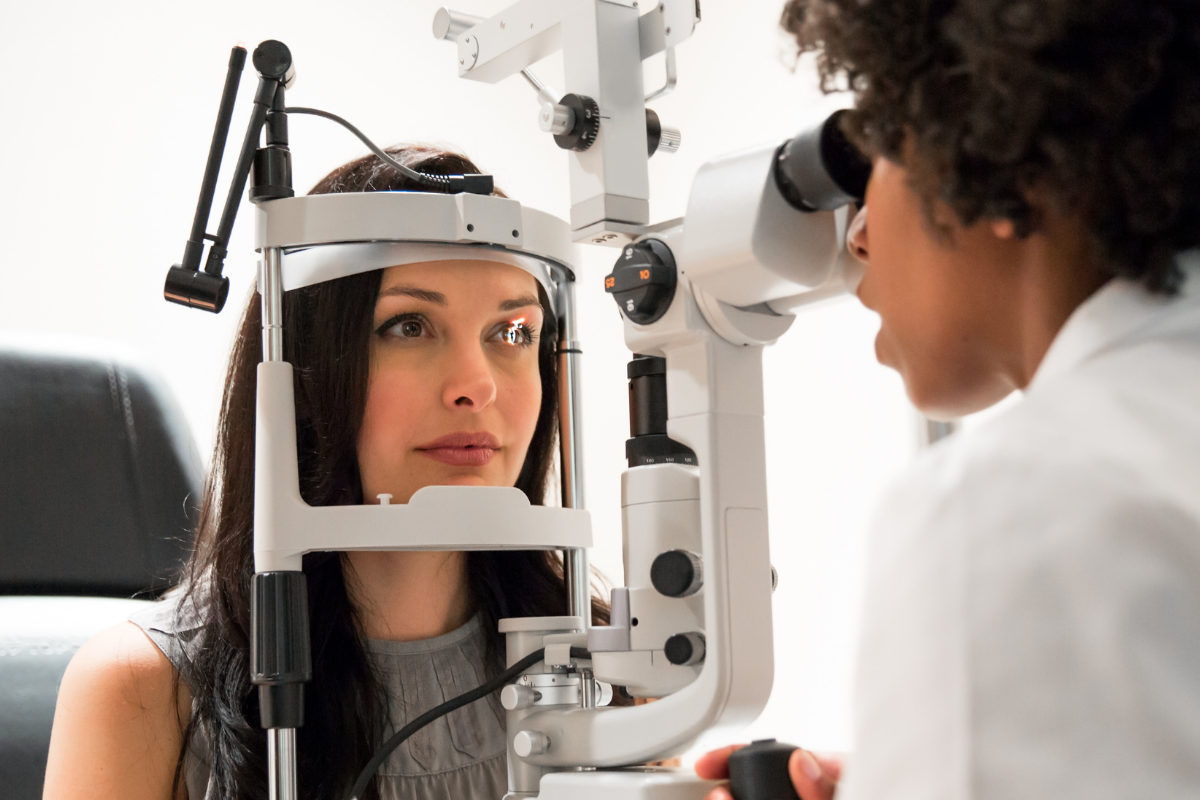
At Wanganui Eyecare, every comprehensive eye examination is tailored to you and takes around 45 minutes. This gives us time to understand your vision, eye health and everyday needs, and to recommend the most suitable options for you.
We assess for a wide range of eye conditions, including glaucoma, cataract, retinal disease and squint, as well as eye changes associated with conditions such as diabetes. Early detection can be important in managing many eye conditions. We also use a range of specialised diagnostic technology to help assess and monitor your eye health.
How often should I have an eye examination?
We generally recommend a comprehensive eye examination every two years. Some eye conditions, including glaucoma, may have no noticeable symptoms in their early stages but can be detected during a routine eye examination. After your examination, your optometrist will recommend a recall interval based on your vision, eye health and individual risk factors, and may recommend seeing you more frequently if you have an eye condition or a family history of eye disease.
What are the most common visual symptoms?
Most visual problems have associated symptoms. Some of the more common symptoms include:
-
Blurred vision at distance, near, or both
-
Headaches when reading or doing close work
-
Frequent eye rubbing
-
Dislike or avoidance of close work
-
Holding your head at an angle when looking at something
-
Closing or covering one eye to focus
-
Frequent or excessive blinking
-
Holding books or screens very close
-
Using a finger to keep your place when reading
-
Sitting unusually close to the television or other screens
-
Red or irritated eyes
-
Discomfort in or around the eyes
What happens during a comprehensive vision examination?
During your examination, our Optometrists use a series of tests to measure the strength of prescription lenses, if necessary, for clear comfortable vision. They will assess the health of both the outside tissues of your eyes and eyelids and also examine the tissues inside your eyes. This will be followed by a customised management plan for your care.
Possible outcomes include:
Every eye examination is tailored to the individual, so the tests we use will depend on your vision, eye health and history. Your examination may include:
History
We’ll talk with you about your current vision and any concerns you may have, along with your spectacles or contact lenses, previous eye treatments or injuries, family history of eye disease, general health, medications and eye drops. This helps us understand your individual eye health and visual needs.
Visual Acuity Testing
Visual acuity testing measures how clearly you can see. You’ll usually be asked to read from an eye chart with each eye separately, at distance and, where appropriate, up close. We may also assess how well your eyes focus, move and work together.
Refraction
Refraction is the process we use to determine your spectacle prescription. Your optometrist will compare different lenses to find the correction that gives you the clearest and most comfortable vision.
Slit Lamp Examination
A slit lamp microscope allows your optometrist to examine the front structures of your eyes in detail. This includes the eyelids, lashes, tear film, conjunctiva, cornea and lens, as well as structures involved in tear drainage and the oil-producing glands of the eyelids. The examination is non-invasive and painless and can help identify a wide range of eye conditions.
Eye Pressure Measurement
Tonometry measures the pressure inside your eyes, known as intraocular pressure. Eye pressure is one of several factors we consider when assessing your risk of glaucoma.
Glaucoma can gradually damage the optic nerve and often causes no noticeable symptoms in its early stages. Eye pressure measurements are therefore considered alongside examination of the optic nerve and any other testing your Optometrist considers appropriate.
Keratometry & Corneal Topography
Keratometry and corneal topography measure the shape and curvature of the cornea, the clear front surface of your eye.
These measurements are particularly useful when fitting contact lenses, helping us select lenses that suit the shape of your eyes. Corneal mapping can also help us assess and monitor conditions that alter the shape of the cornea.
Ophthalmoscopy
Your Optometrist will examine the structures inside and at the back of your eyes, including the retina, optic nerve and retinal blood vessels.
This can help identify signs of conditions affecting the retina, optic nerve and other internal structures of the eye.
The eyes can also provide useful information about your general health. Changes to the retinal blood vessels, for example, may be associated with conditions such as diabetes and high blood pressure.
Pupil Dilation
Sometimes we recommend using eye drops to temporarily enlarge your pupils. This gives your Optometrist a wider view inside the eye and allows a more thorough examination of the retina and other internal structures.
The effects usually last for several hours. During this time you may be more sensitive to light and your near vision may be temporarily blurred. Sunglasses can help with glare, and you should avoid driving until your vision has returned to normal.
Retinal Photography
Retinal photography captures a detailed colour image of the back of your eye, including the retina, optic nerve and retinal blood vessels. These images provide a useful record of your eye health and allow us to compare your eyes over time and identify subtle changes.
Retinal photography is complimentary with every comprehensive eye examination at Wanganui Eyecare.
Additional diagnostic testing
Sometimes further testing may be recommended to investigate a particular concern or monitor your eye health more closely. Your Optometrist will explain why a test is recommended and what it can tell us about your eyes.
Ready to book your comprehensive eye exam? Looking after your vision starts here.
Meet our Optometrists
Our expert optometrists bring a wealth of experience, compassion, and dedication to every appointment. They are focused on helping you achieve lasting eye health, clear vision, and a tailored care plan designed around your unique visual needs and goals.
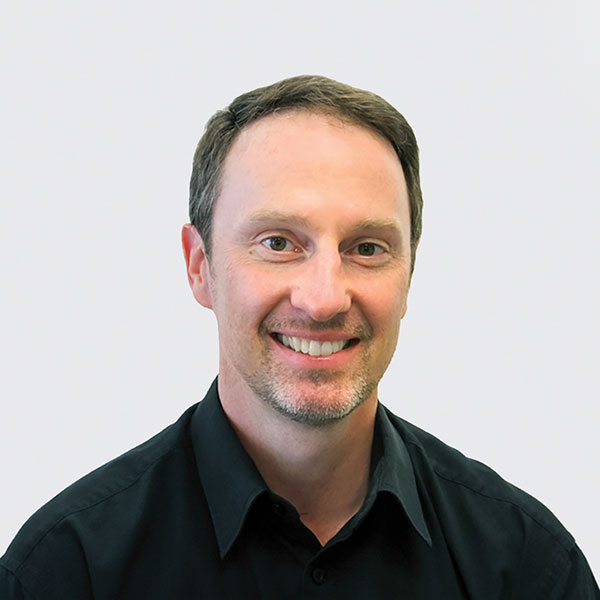
Kerry Bennett
Optometrist & Director

John Boyle
Optometrist & Director

Priyanka Fernandes
Optometrist

Asumi Yamaguchi
Optometrist
Have questions? We're here to help
Browse helpful answers about eye exams, bookings, and how to prepare for your appointment.
You can book online using our booking system, phone us on 06 345 4665, or visit us at 211 Wicksteed Street, Wanganui.
A comprehensive eye examination usually takes around 45–60 minutes, depending on your needs.
We do our best to accommodate urgent cases. Please call us directly.
Please bring your current glasses or contact lenses, drops, medications, and any relevant medical information.
No problem — just give us a call as soon as possible so we can rebook you at a more suitable time.
Yes, we offer the Children’s Enable Spectacle Subsidy for eligible patients.